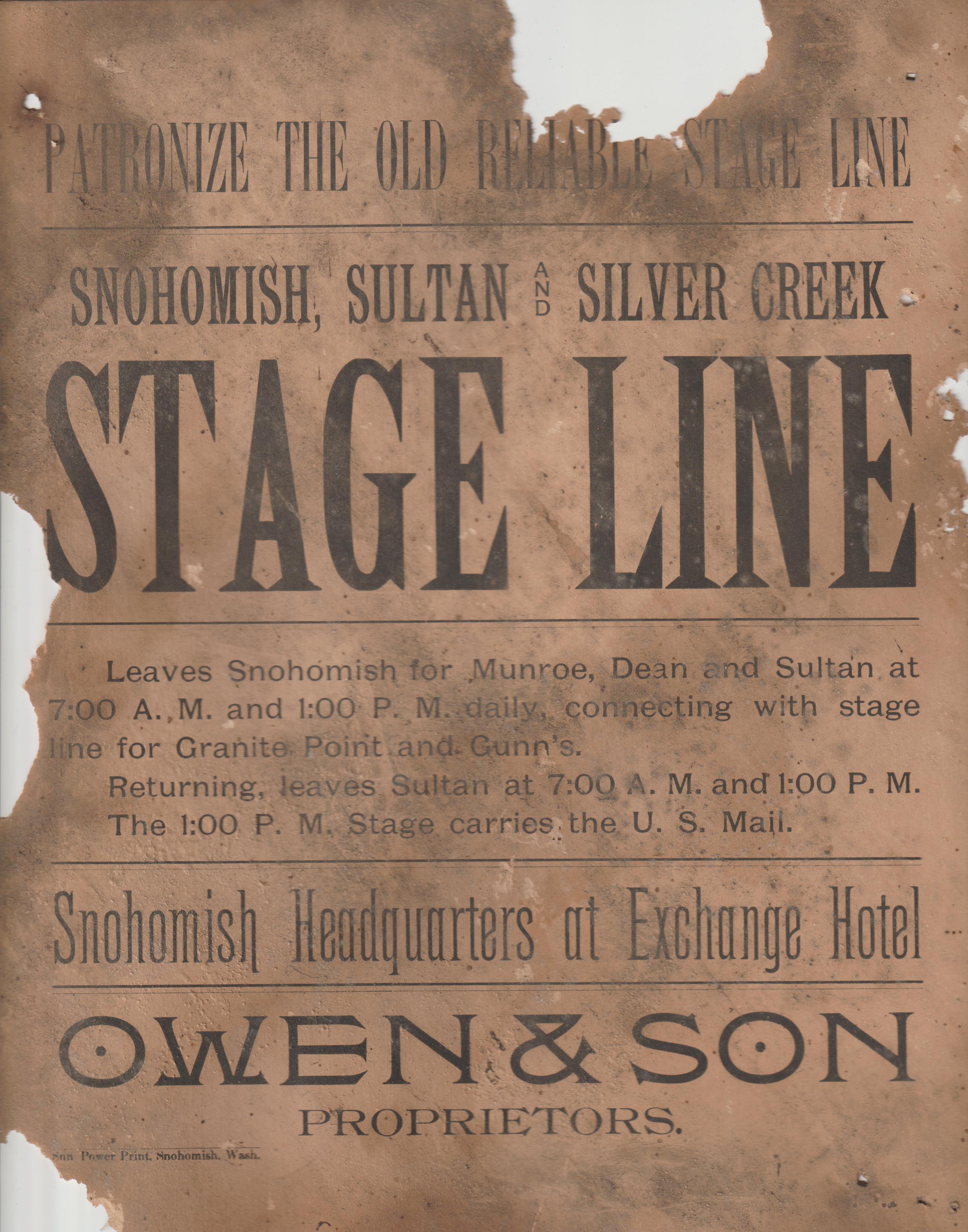
This flyer advertises riding the old Stage Line between Snohomish and Sultan at a time when travel was still being done by horse and wagon. This flyer is extremely rare, it may be the only one remaining of its kind. Within its words it reveals both mystery and history. With some serious research and a bit of luck the journey into its past is almost as adventurous as a ride on the real “Stage Line”.
This journey begins with the discovery of the flyer by JimTinney, owner of a bookstore in Sultan called, “Kiss the Sky Books”. The bookstore is located at 401 Main St, Sultan, in a building dating back, to at least, 1892, and perhaps, even likely, much longer.
When Tinney bought the building, in the summer of 2016, he knew two things, it was old, and it needed repairs. Asking around about the building he heard many things, some supported by historical records, others could be legendary, but may or may not be true.
When Tinney began repairing the building he discovered mold in the walls which meant that the walls had to be torn out and replaced. In the process he made a series of additional discoveries. As it turned out there were layers to the interior walls, indicating that, over the years, the many owners had remodeled by putting walls over the top of walls. When he tore out the walls to their original state he found the earliest builders had stuffed old papers and seemingly innocuous documents into the walls as a sort of, poor man’s insulation, something that was common at the time the building was first built. He also discovered that the outside siding, when stripped away, revealed old painted signage from days of lore.
Among the things stuffed inside the walls were old newspapers, now in a crumbling state, and in addition to the old newspapers was an old flyer advertising a “Stage Line”. Although torn and tattered the flyer was somewhat complete. That flyer is the centerpiece to this story. The flyer was discovered the summer of 2016; subsequent research would reveal that the flyer is well over one hundred years old. It was not until the winter of 2020 that the flyer fell into the possession of this writer, and this research began.
In the rafters of the building were discovered old crates addressed to John Warner. That, along with the old signage on the side of the building, and a sign that had been taken down from the front of the building years before, and was then donated to the Sultan Historical Society , lent overwhelming evidence supporting the title long given to the structure as “The Warner Building”. It is incumbent to the story, in establishing the history, and timeline of both the building and the flyer to devote a few lines to the portraiture of John Warner, the namesake of the Warner building. For that I turn to the History of Snohomish County, by Whitfield Vol. II, pages 373-374. “In May 1920, at Sultan, Mr. Hitchcock was married to Mrs. Marry Belle Warner, who was born at Gallatin, Missouri, a daughter of William and Marry E. (Yates) Johnson, both of whom passed away there, the father dying at the age of ninety-two years. She came west after marrying John F. Warner, who became one of the first merchants at Sultan. They had an eventful trip from Snohomish, which was made with mule team and during which they traveled almost impassable trails and were compelled to ford streams. Theirs was the first team to cross the railroad tracks at Monroe, and when they came to the Sultan river, they found an uncompleted bridge. Mrs. Warner was afraid to ford the river, as her baby was very young, but finally some man from Sultan helped her and her baby over the partially completed bridge, to which the approaches had not been built. Before coming west, they had lived four years in Indiana, where Mr. Warner had practiced law, and they started for the coast in 1892 in the desire to benefit Mrs. Warner’s health. Mr. Warner served for a time as principal of the Sultan school and then bought out D. K. Hawk’s store, one of the first stores to be established in Sultan, running it for many years up to the time of his death, which occurred in 1918. To Mr. and Mrs. Warner was born a son, Ellis E., who was two years old when the family came to this county, and who is a graduate of the law school of the University of Washington. He is now running the store at Sultan, under the name of Warner and Son. John F. Warner became not only successful in his business affairs, but also prominent and influential in the affairs of his community. He was chiefly instrumental in the organization in the Citizens Bank of Sultan and was its first president. He was one of those who perfected the organization of the town of Sultan, which he served as mayor and as a member of the council. He was a charter member of the Ancient Free and accepted Masons and was a past master of his lodge.”

Pictured above: This is one of the earliest photos of Sultan, and likely shows the bridge that Mrs. Mary Belle Warner had trouble crossing with her infant child. This photo is looking east, the bridge connected to main street; Highway 2 would come many years later. The exact date and photographer are unknown at this writing.
From this we can surmise that John Warner came to Sultan and took up residence on or about 1892. “For a time”, perhaps a year or more, he served “as principal of the Sultan school and then bought out D. K. Hawk’s store, one of the earliest stores in Sultan”. It is likely that that store, that building, would be one and the same as “The Warner Building” of today. When John Warner bought the building, it is likely that he knew two things abought it, it was old, and it needed repairs. Several remodeling’s and an untold number of owners, tenants, and businesses later, today the Warner Building is now the, “Kiss the Sky Books” store, proprietor, Jim Tinney.
To uncover the mysteries of the flyer I began with the second line, which lists some of the locations the stage went. The one location that I was not familiar with was, “Silver Creek”. It was, obviously, past Sultan, and I suspected that it was in the Index area. To help with that I enlisted two friends, Louise Lindgren and David Cameron, fellow historians, particularly regarding Index and the surrounding area.
David informed me that,” The Silver Creek mining district was located east of Index and south of Monte Cristo, (about 13 miles past Index), at the mouth of Silver Creek, where it joins the North Fork Skykomish River”. This was the approximate location for the establishment of Galena City which was platted by J. N. Scott, on November 30, 1891. (page 806 of Whitfield Vol. I) This information would help to date the flyer no earlier than 1891.
Next up is the line, “Leaves Snohomish for Munroe, Dean and Sultan…”. First off, I noticed that Monroe was spelled with a “U”, and again, I had no idea where “Dean” was located, other than it had to be between Monroe and Sultan. In this case Louise Lindgren was able to provide me with a partial map dated in 1897, made by, “Walt Taubeneck, who spent a lot of time marking logging railroad lines…” Louise Lindgren. This map clearly shows “Munroe” spelled with a “U”, and “Dean”, located about three miles east of Monroe, between the Great Northern Railway tracks and the Skykomish river. The mystery of “Dean” is solved.
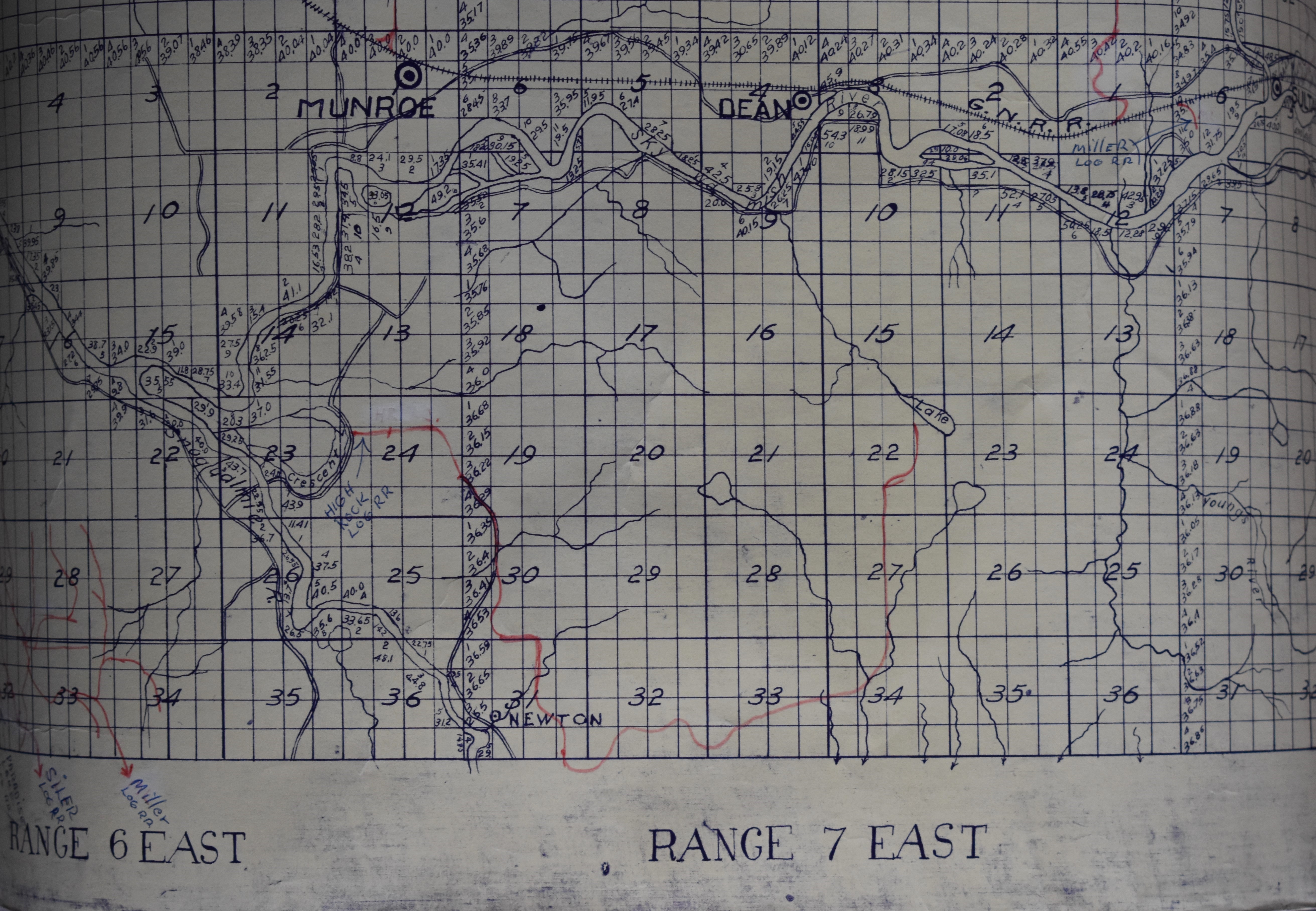
Next the flyer goes on to indicate that the Stage Line departed Snohomish twice daily, one at 7 am and one at 1:00 pm. Was this two separate wagons and teams? At the same time returning Stages leave Sultan for the return trip to Snohomish at 7 am and 1:00 pm. That would indicate that there had to be at least two stage wagons and two teams of horses. In addition, the flyer states that once the stage reached Sultan it would connect “with stage line for Granite Point and Gunn’s”. Would that indicate a separate wagon and team? For more information I turned to Vol. I of Snohomish County, Washington, by Whitfield, page 610, “By 1892 the pressure of railroad building was making the entire Skykomish Valley a scene of great activity. Stages went daily from Snohomish to Sultan, three times weekly to Wallace, (now Startup), and twice weekly on to Index and Galena. It was proposed, in March 1892, to make this a daily service through to Galena, changing horses at Sultan”. Later in the same paragraph, “Galena had thrice a week mail service from Index, established in 1892…”. This may have changed to a daily service the following month.
Backing up to the names, Granite Point and Gunn’s”, again I turned to David and Louise. A map that Louise Lindgren shared with me indicates that Index was once referred to as Granite Point, likely prior to and during the time that Amos D. Gunn, the “Father of Index”, settled there with his family in 1889. (Whitfield Vol. I page 608)
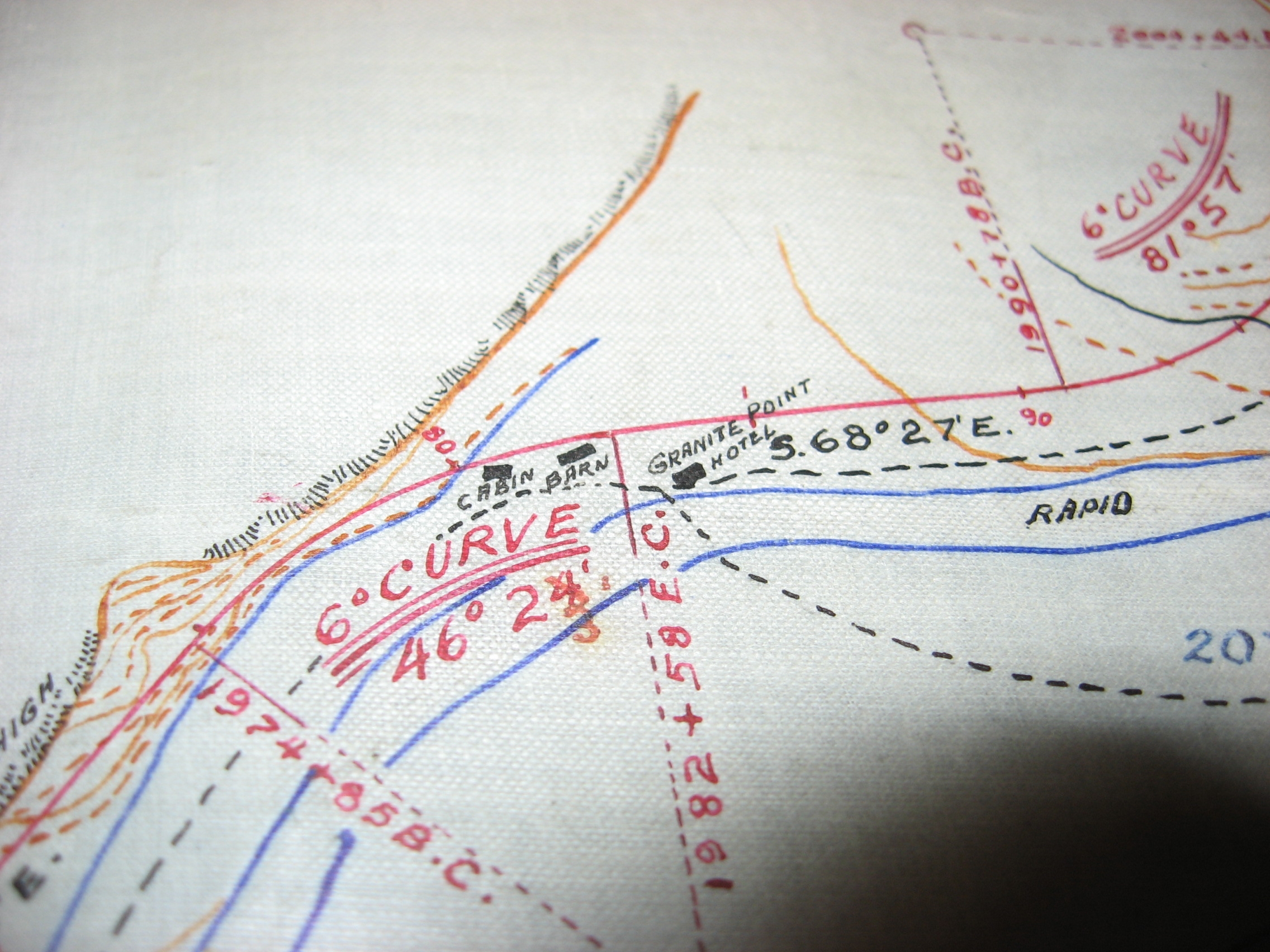
It is at that point that the flyer was made, and for clarification Granite Point and Gunn’s is listed as the same place as the destination on the flyer. The exact date for when the name of Index was first used is unknown to this writer; however, the official date that Mr. Gunn had the townsite of Index surveyed and platted was April 25, 1893. (Whitfield Vol. I page 610)
It is likely that the name of Index surfaced no later than 1891 as Mr. Gunn established “a post office and his own appointment as postmaster”, also, “acting as mail carrier…, packing the mail by pony, up from Wallace.”, later named Startup. (Whitfield Vol. I page 610)
The first reference to the stage line can be found in Whitfield, Vol. I page 602, “in 1888, (business activity in Sultan), encouraged John Nailor, (founder and Postmaster of Sultan), to build what was known as the Pioneer Hotel, and caused Archie Anderson to establish a four times a week stage service between Snohomish and Sultan. The Snohomish Eye, (an early Snohomish newspaper), of July 27, 1888, told of the risks run by the early stage driver as follows: “The Sultan Stage was burned last Saturday and the driver and team had a narrow escape in a burning slashing a few miles this side of Sultan. The driver attempted to go through but met obstructions and as it was impossible to turn the vehicle around, he cut the horses loose, secured the mail pouch and ran the gauntlet.”
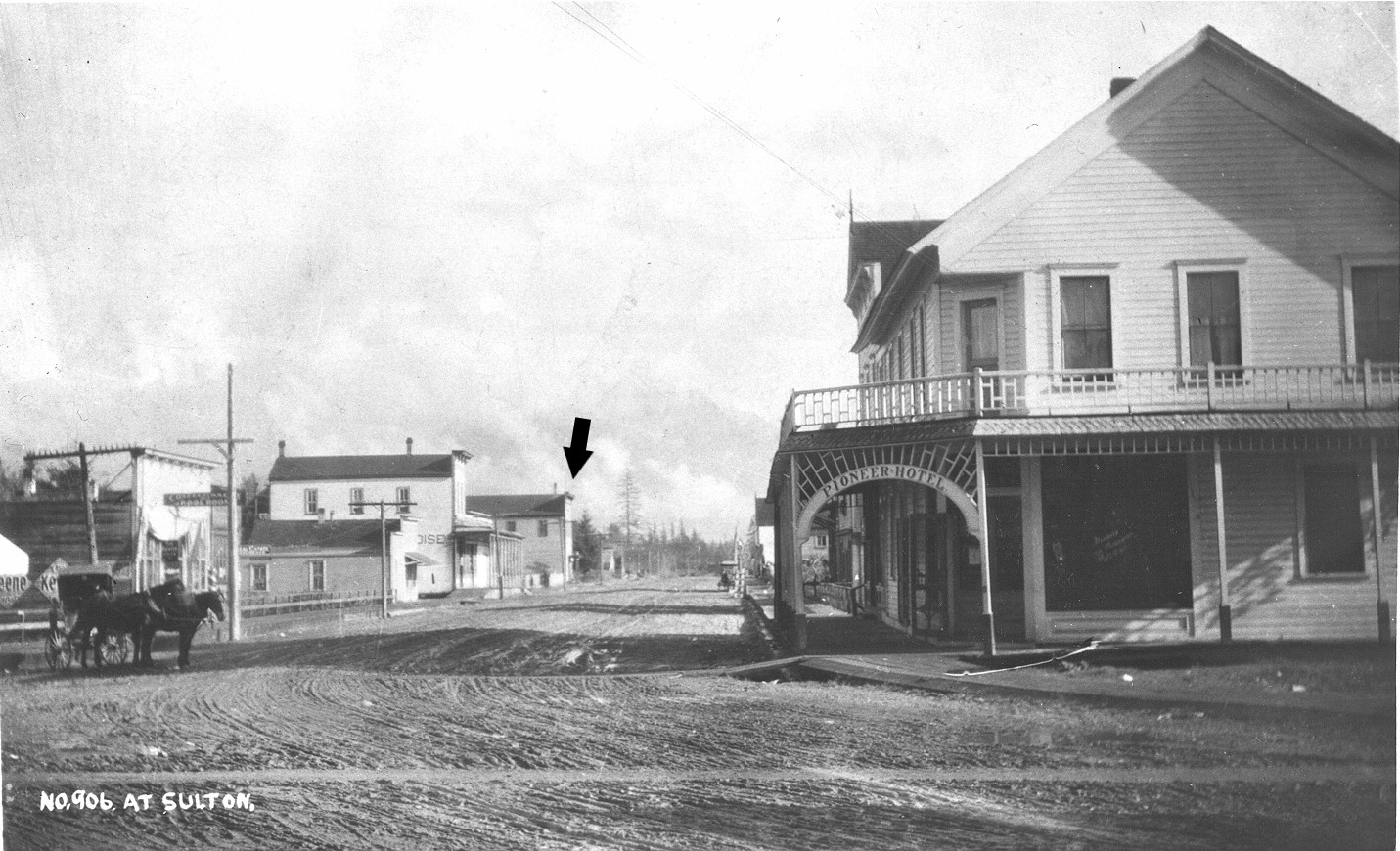
Pictured above is the Pioneer Hotel and the arrow points to the Warner Building – Photographer Unknown
This brings us to the next clue on the Stage Line flyer, the “Snohomish Headquarters at Exchange Hotel.” On page 218 of the history of Snohomish County, by Whitfield, Vol. I, “A prominent citizen gained by Snohomish in 1872 was Isaac Cathcart. He came to the county in 1869 as a laborer in the woods. Saving his earnings carefully he was able to acquire enough to build a hotel at Snohomish in 1872. This was called The Exchange Hotel…”. “The hotel went on to flourish until 1894 when it was destroyed in a storm. It is not known by this writer if it were ever rebuilt. By these bits of information, I am led to surmise that the points of destination and departure were likely, The Exchange Hotel, in Snohomish and, The Pioneer Hotel, in Sultan.
The next and final clue for this writer is the line at the bottom of the flyer stating, “Owen and Son Proprietors.” Because the line followed immediately below the line, “Snohomish Headquarters at Exchange Hotel”, I, at first, believed it to mean that they were the owner/operators of the hotel. In fact, what it really was saying was that they were the owners of the Stage Line. Is it possible that Archie Anderson divested his interest in the Stage Line after the fire that destroyed his stage? Who knows how Owen and Son came into possession of the stage service, but by the following, we know that they did. Mr. Nels Owen, a rancher in the Sultan area, “had a contract for carrying the mails from Snohomish to Sultan, driving the route for three years, or until the railroad took over the contract. He also carried passengers and during that service never had an accident or trouble of any kind”. (Whitfield Vol. II page 620) Nels Owen had four children, three girls and one boy, Alfred A. Owen. “Mr. Owen also served two years as road supervisor, and in early day’s did a good deal of free road work, some of it being done in order that his mail stage might be able to get through its route in reasonable time.” (Whitfield Vol.II page 621) The railroad, (Great Northern), quickly killed the stage service and daily stage stopped in January 1893, and in November 1893, the stage mail was discontinued”. (Whitfield Vol. I page 604)
We can reasonably conclude that the Stage Line began service in 1888 and ended in 1893, and at the time the flyer was made the Stage Line was in the possession of Owen and Son. That would indicate that the flyer dates, approximately, between 1889 and 1893, and to be more accurate, likely after 1891, and not later than 1893. David Cameron points out that, “At the top of the flyer is a request for the reader to patronize “the old reliable” stage line. That implies they are in competition with some rival, and that would mean the railroad, which isn’t completed until January 1893. That would seem to indicate a likely period as spring of 1893.”
Author: Buddie Williams, 4/16/2020

The above photo post card, with the arrow, shows the “Sultan Cash Store”, the building that was the D. K. Hawks store that Warner first invested in and later purchased. It is believed that the building behind that was the new Warner store. At the time this photo was taken there was no Fourth Street. The picture is on Main Street looking east. The exact date and photographer are unknown.
In Summary: There are a number of discrepancies between the two histories of John F. Warner, of which I will not here attempt to dissect all. However, some things are worth taking a closer look at. The “Skagit and Snohomish Counties” history seems to suggest that Warner was in partnership with D. K. Hawks for a time, (a year), before buying him out. Now we can only speculate as to the exact events. It would seem that Warner may have sold the building that he first partnered up with D. K. Hawks in or about 1897 and then built a new building. This is not mentioned in the Whitfield history at all, but a possible clue may be found in an old photo post card of the very buildings in question. The photo on page seven shows the “Sultan Cash Store”, the first Warner investment with D. K. Hawks, and behind that building is believed to be the new Warner building, as mentioned in the “Skagit and Snohomish Counties” history. The photo post card below shows the old building from the opposite direction, along with the new, and still existing Warner building.

Above is an old photo post card, date and photographer unknown. The arrow on the far left is pointing to the old “Sultan Cash Store”, that which was owned by D. K. Hawks when Warner invested with him. That building has sinse been replaced by the new City Hall and Library building. The arrows on the closer building point out the “Warner” sign below and the “Warner Block” sign above. The gap between the two buildings shows the then and now Fourth Street.
***Additional information regarding John F. Warner is found in, “An Illustrated History of Skagit And Snohomish Counties”, by Interstate Publishing Company, 1906, pages 1102 and 1103, and is included here in its entirety for your convenience.
“John F. Warner, the well-known merchant of Sultan, Washington, was born in Anderson County, Indiana, in February 1864. Elias Warner, his father, a native of Virginia, settled in Indiana in early life, and engaged in farming. He died at the age of fifty-two, when his son John F. was but eight days old. The mother, Selinda (Pierce) Warner, also a Virginian, was born in 1821, and died in 1888. She was the mother of six children, five of whom are now living in the east. John F. Warner enjoyed unusual educational advantages, supplementing his elementary training by attending the Indiana State University. Leaving home at the age of nineteen he went to Missouri and taught there for a short time, but soon returned to his native state where he had previously secured his first experience in teaching. He then decided to take up the study of law and entered the law office of Robinson and Lovett at Anderson. In 1886 he completed the course and was admitted to the bar. His residence in Washington dates from the spring of 1892, when after a four month’s visit in Missouri he reached Snohomish. Later he took up a homestead near Skykomish, residing on it a few months and then returning to Snohomish. He had sought a location in the west with the full intention of practicing law, but found on his arrival that the prospects were unfavorable, and hence changed his plans, and temporarily resumed his former profession, teaching, He accepted the position of principal of the Sultan schools, which then had an attendance of eighty pupils of whom only two were Indians. At the close of the second term he resigned and having previously bought an interest in the Sultan Cash Store, he devoted his entire attention to the business that was conducted under the firm name of Hawks and Warner. A year later he purchased his partners interest, and in 1897 erected his present place of business. By adhering to upright principles, while also making a careful study of the needs and requirements of his customers, Mr. Warner has built up a splendid trade, increasing his capital stock from one thousand three hundred dollars to six thousand five hundred dollars. In 1898 he in partnership with Mr. Harris, opened a branch house in Monroe, Washington, known by the firm name of Harris and Warner. This, too, is doing a thriving business.
Mr. Warner and Miss Belle Johnson of Gallatin, Missouri, were married in 1888. Mrs. Warner’s parents, William and Mary (Yates) Johnson, were born in Virginia. The father is still living in Missouri; the mother died in 1888. Mr. and Mrs. Have one child, Ellis E., born March 18, 1890, now attending the Snohomish High School. Mr. Warner affiliates with the Democrats but has no desire to be prominent in political circles. Knowing him to be a man of unusual mental attainments combined with rare practical ability, his friends at one time nominated him for the legislature, only to find that he gracefully but firmly refused to accept the honor. I religious belief he is a Spiritualist. Vespasian Warner, the well-known pension commissioner at Washington D.C., is a first cousin of Mr. Warner. Of the Warner family of which he is a decedent there are now but three adult male members, but as he jokingly says there is little danger of extinction of the family name since he has one son, a brother in Kansas, three, and the cousin previously mentioned, seven. Mr. Warner has a wide acquaintance throughout the country and is held in the highest esteem.”

This is the only known photo of the old Exchange Hotel located at the corner of First Street and Ave. D in Snohomish. The photo was taken during a 4th of July celebration, approximately 1874. The photographer is unknown. The building is on the far right.
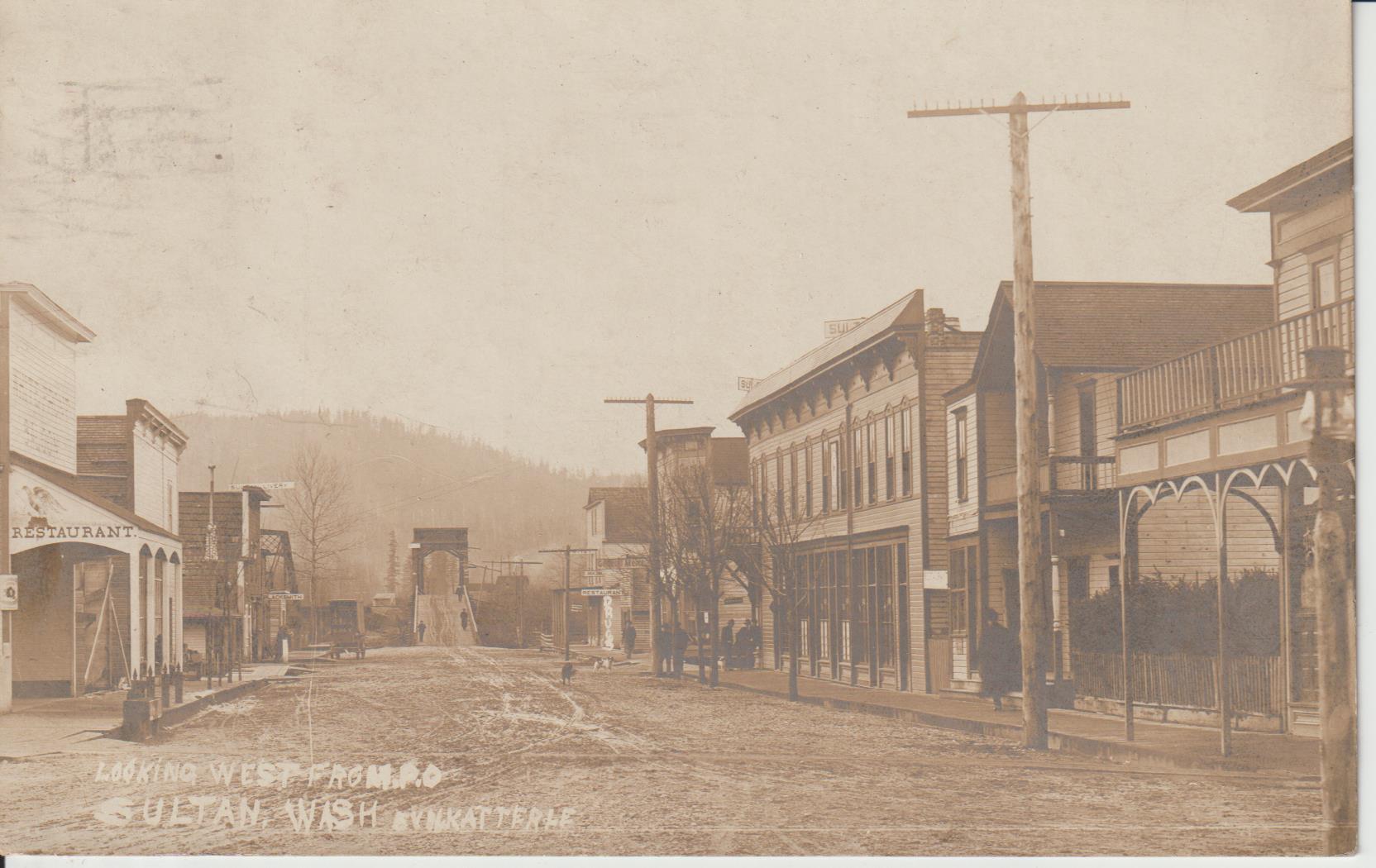

This appears to be a photo post card of downtown Sultan, on main street looking west. The bridge going over the Sultan River can be seen in the distance. The card was sent by John F. Warner to his wife March 11, 1908. In the card he addresses his wife as “Dear Belle” and later tells her “I hope your throat is getting better.” This may suggest that the trip to California was health related.
Photo post card, part of the Buddie Williams collection.
Mobile Site | Full Site
Get a free blog at WordPress.com Theme: WordPress Mobile Edition by Alex King.